
A Wall Is Never Just a Wall
In the heart of Brownsville, Brooklyn, a mural titled “We Are, I Am” stretches across the side of the Marcus Garvey Apartments. Vibrant hues of purple and gold frame images of a community in motion: a young woman speaks into a megaphone, a man cradles a vine in his hands, and a crowd raises signs proclaiming, “We are Brownsville.” This mural, unveiled in September 2023, was created by local youth in collaboration with organizations like Groundswell NYC and the Brownsville Community Justice Center.
This isn’t just paint on brick. It’s storytelling. It’s a challenge.
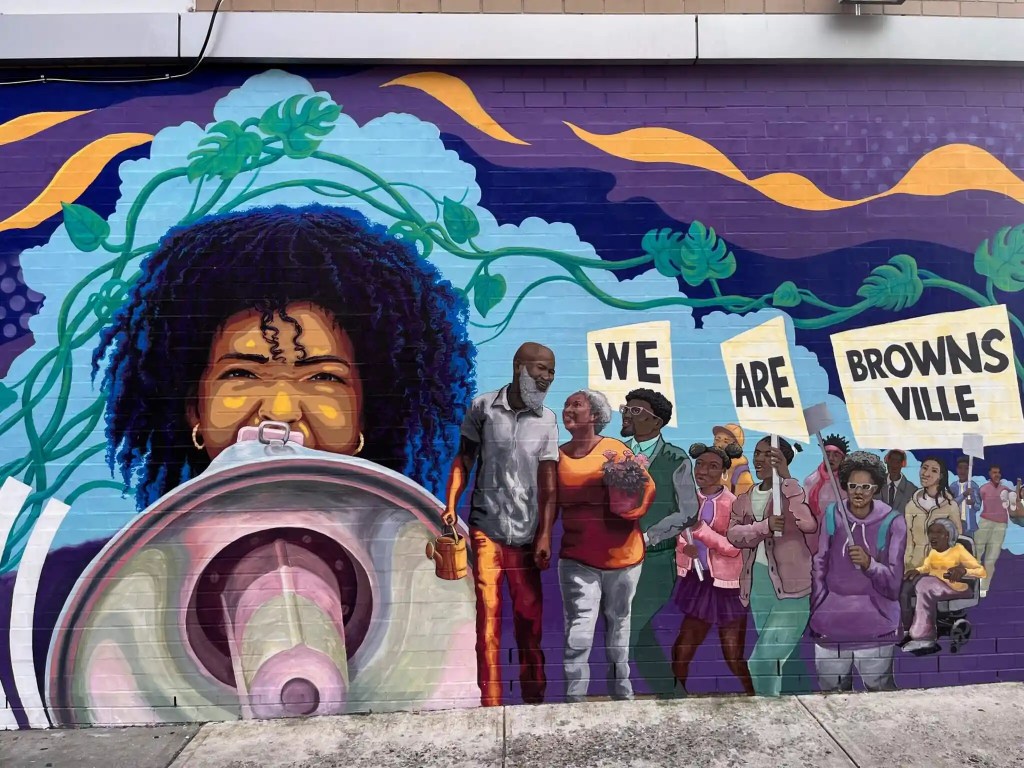
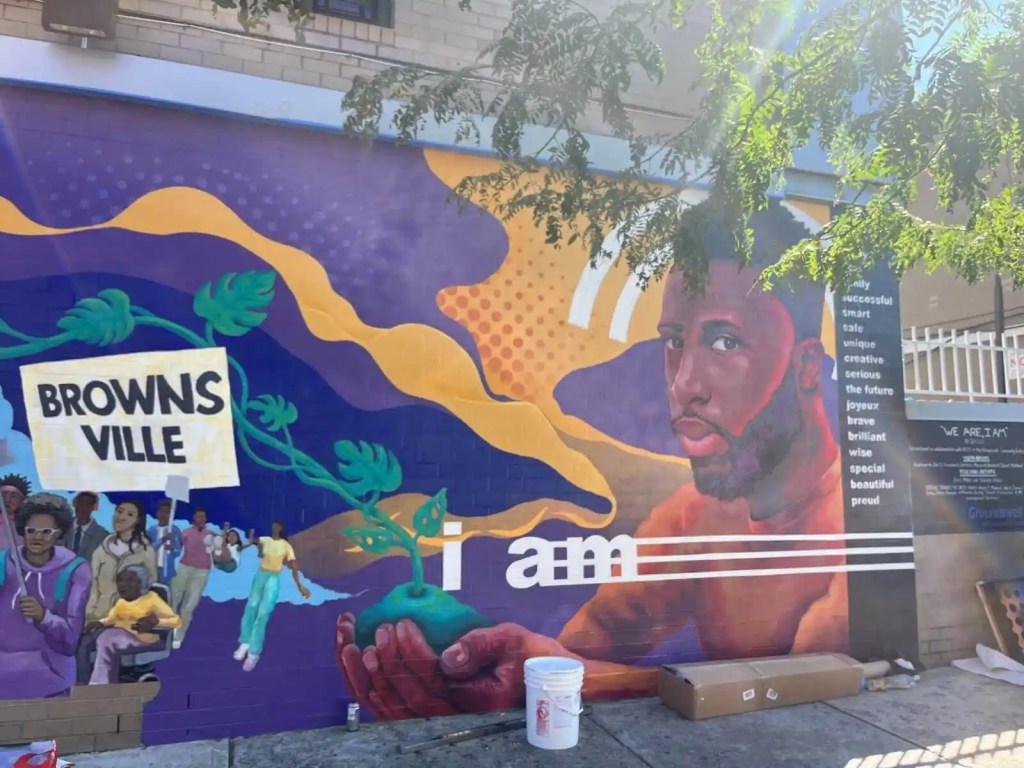
“We are, I am” Mural at the Marcus Garvey Apartments, Brooklyn, NY.
It’s a youth-led reclamation of public space. In neighborhoods that are too often misrepresented or ignored, these murals change the narrative. Here, young people aren’t waiting to be included in conversations about justice, identity, or future; they’re leading them.
From Brooklyn to the Bronx, teens are using the art they create not just to beautify the city but to push back against the systems that have long ignored their voices. These teens, whether they’re drawing, painting, or building digital worlds, are challenging the narrative of what it means to be young and to care about the world. They’re rewriting the rules. The canvas is theirs—and so is the future they’re trying to shape.
A Brief History of Protest in Ink and Image
Art has always been a weapon against silence. In every era, it’s crawled across alleyways and sprawled across buildings, breaking the quiet. During the Harlem Renaissance, artists like Jacob Lawrence and Langston Hughes used poetry and painting to challenge America’s racial status quo.
In the 1960s, the Chicano Mural Movement transformed cityscapes in California and Texas into potent symbols of cultural pride and resistance. Artists like Emory Douglas, with the Black Panther Party, turned graphic design into a tool for political change, using bold, confrontational visuals to turn the page of history.
By the 1980s and 90s, the punk movement started zines—small, handmade magazines that criticized mainstream media and spoke to a generation’s frustration with societal norms. ACT UP’s iconic AIDS posters wielded bold graphics to demand action, shouting into the silence of governmental indifference. Today’s teen artivists are part of this continuum, but they’re doing it in new ways. The difference is in the tools and platforms they wield. While the zines and murals still exist, digital platforms like TikTok, Instagram, and YouTube have added a new dimension, where a post can go viral in seconds, reaching millions of people, making art an instantaneous form of protest.
Art isn’t confined to a specific time or space anymore. Today, the tradition continues—remixed, amplified, and pushing through digital screens as much as it does physical walls.
Gen Z’s Language of Protest
Teen artivism today isn’t confined to galleries or graffiti walls—it’s on social media, in city parks, on upcycled jackets, and in community centers. What unites these different mediums is a common thread: the refusal to be voiceless.
Take Sunset Park, Brooklyn, where high schoolers from the Groundswell Artivist Allstars Program painted a mural confronting displacement and pollution. The piece, titled “Whose Future?”, shows a Mayan figure being pushed aside by corporate towers while a local community tends to a healing river. It’s symbolic, emotional, and deeply rooted in lived experience, speaking to histories that are often erased and futures still uncertain.
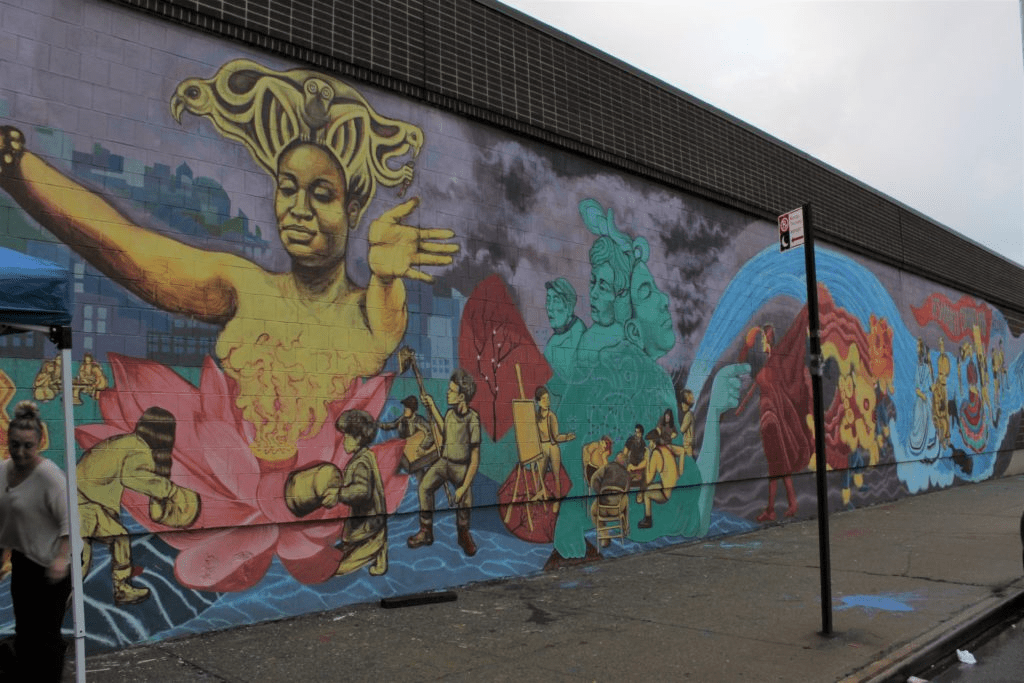
Or look at the Bronx’s “A Path to Choose” mural, co-created by teens and the Climate Museum. It depicts industrial smokestacks clashing with scenes of urban greenery—visually spelling out a stark choice between environmental neglect and renewal. Placed on a busy street corner, the mural forces everyday passersby to engage, even if just with a glance.
Murals like these are just the start.
Teens today are taking over every medium they can find. Zines are being filled with personal reflections on gentrification, school stress, and the struggle for identity.
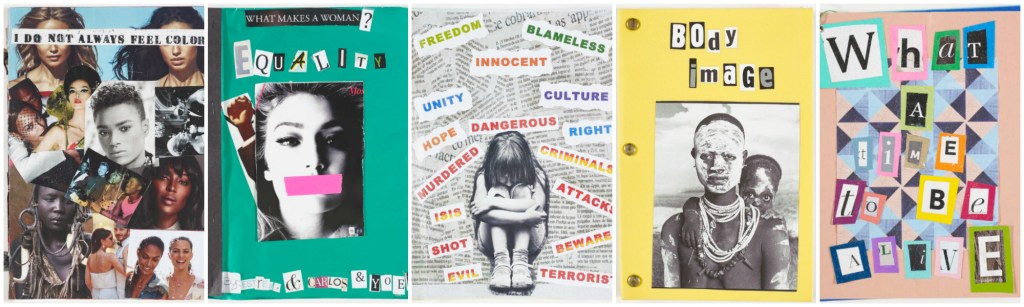
Instagram pages become platforms to amplify digital art that demands attention, and memes with political bite circle the internet faster than the news. Fashion has even become part of this activism: young people are upcycling clothing and embedding their beliefs into what they wear, transforming clothing into wearable statements of defiance.
Gen Z artivists don’t wait for a designated stage—they’re making one for themselves, across every possible medium.
Tension: The Considerations of “Appropriate” Expression
Despite their energy and creativity, teen artivists often run into walls—both figuratively and literally. Sometimes, it’s direct—murals with too-bold a message are painted over, tagged as too political or too disruptive. Take the example of student art in Florida: pieces reflecting historical racial violence were removed from a school exhibition, deemed “too much” by administrators despite their personal and historical significance. Art that makes people uncomfortable often doesn’t find the space it deserves.
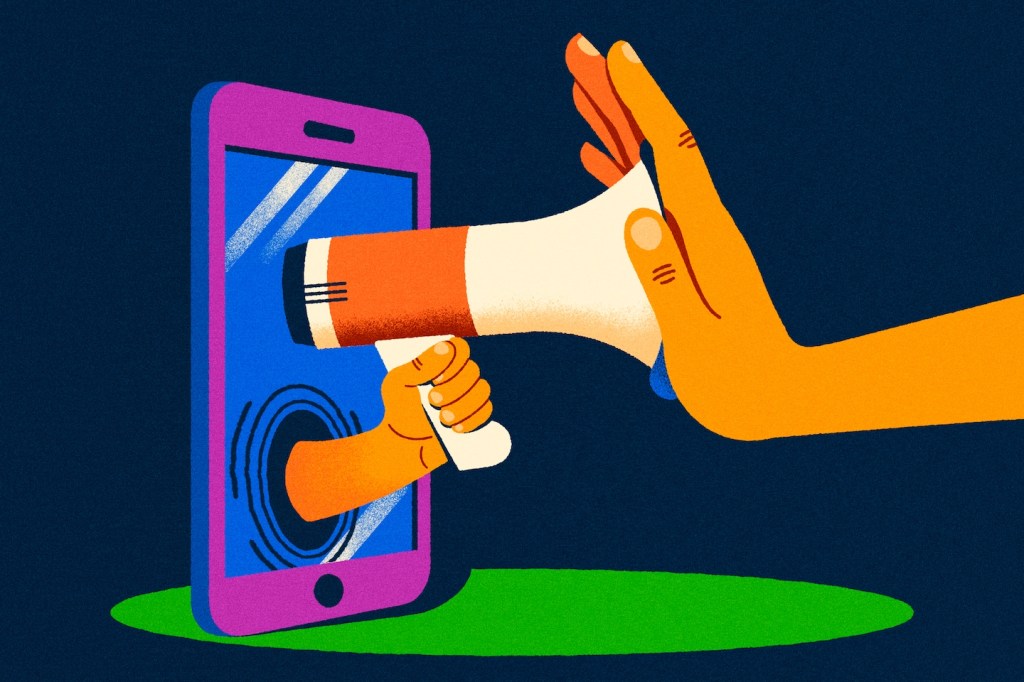
On social media, the hurdles are just as significant. Algorithms suppress posts related to protest or sensitive political topics. Teen artists have found that when they call out systems of power, their posts get “shadowbanned”—invisible to the wider world.
Image: Shadowbanning (Source: Daniel Diosdado from The Washington Post)
This isn’t censorship with a warning—it’s quiet, it’s subtle, and it’s an attempt to stop a message before it even has a chance to spread.
Even when art is allowed to exist, it can be co-opted by institutions looking to profit off its message. Murals made to call out corporate pollution can easily be stripped of their political edge when the same images are used in glossy marketing campaigns. These young creators can see this happening—just as they see how their voices are often ignored until their art becomes a trend.
These obstacles reveal how powerful teen art can be—and how threatening it is to the status quo. When youth are told to “keep it clean,” their response is clear: art doesn’t need permission to exist.
Not Just Activism: Building Spaces Through Art
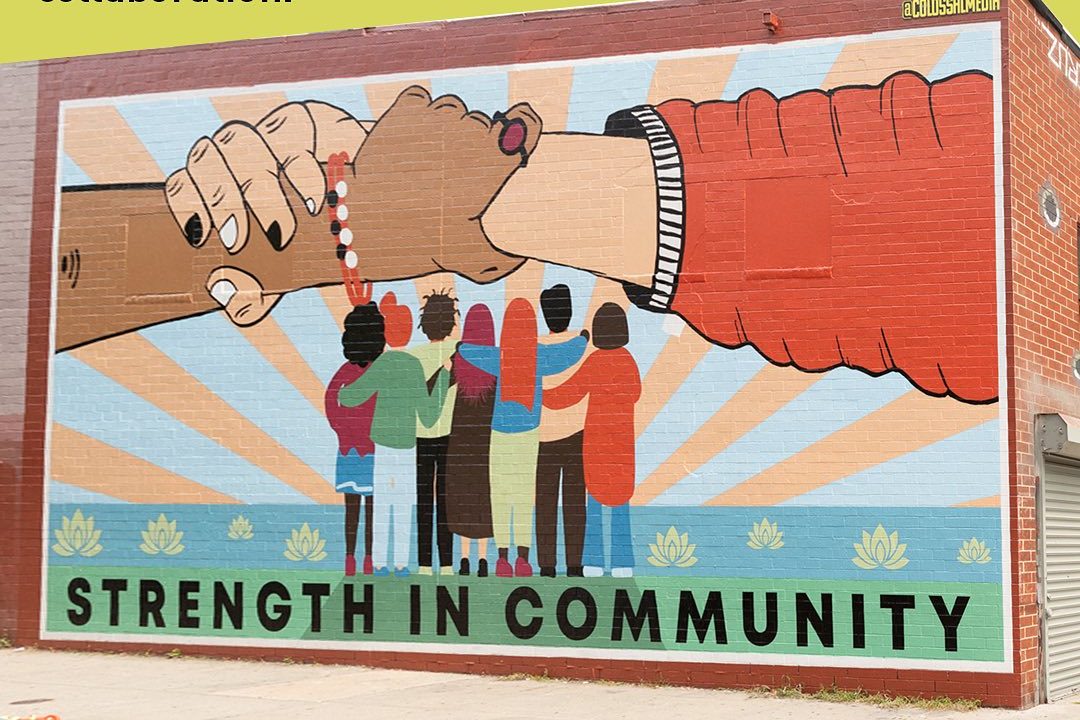
For many teen artivists, art is more than a form of resistance. It’s a tool for healing and a way to build community. In Williamsburg, Brooklyn, a mural painted for World Mental Health Day shows a group of young people supporting each other with the words “Strength in Community” beneath them. It’s not a rallying cry—it’s a hug. It’s an acknowledgment that there’s strength in numbers, and that the conversation around mental health needs to be normalized.
There’s also art made for introspection, for finding solace in a world that’s constantly in motion. Zines are filled with personal stories about anxiety and the struggle of being young in today’s climate. Podcasts mix art, music, and the stories of immigrants finding their place. These pieces may not be as loud as a protest, but they’re no less powerful. They invite those who engage with them to pause, reflect, and connect.
The activism isn’t always overt. Sometimes it’s quiet—like a conversation that lingers in the air. Sometimes, it’s more about presence than protest. But the result is the same: it’s a new kind of space, built by young people who know that their voices are important, and that art can be a way to protect and preserve those voices.
Teen artivism is far from silent. Teens are at the center, turning cities into sketchbooks, clothing into statements, stories into revolutions. An invitation for us all to join.


Leave a Reply