
The warm breeze brushed my face as I stepped onto the beach in Barbados, the golden sand beneath my feet shimmering under the afternoon sun. The sky was a pristine blue, and the horizon seemed endless, merging seamlessly with the deep azure of the Caribbean Sea. As I breathed in the salty air, there was a tranquility so complete that it felt like time had slowed down.
To imagine, this moment might not be as perfect anymore—or even possible—because of something as seemingly insignificant as dust.

The Journey of Saharan Dust
The story of Saharan dust begins in the heart of North Africa, in the world’s largest desert. Every year, powerful winds sweep across the vast Sahara, lifting fine particles of sand and dust high into the atmosphere. These tiny particles embark on an extraordinary journey, traveling over 5,000 miles across the Atlantic Ocean. As they traverse this immense distance, they undergo a transformation, carrying with them nutrients and minerals. When the dust finally reaches the Caribbean, it doesn’t just settle on the beaches; it lands in the waters, enriching the sea with elements that sustain marine life.
The dust from the Sahara is not just any ordinary dust. It is rich in minerals like iron, phosphorus, and zinc—elements crucial for the health of both terrestrial and marine ecosystems. Iron, for example, plays a pivotal role in the growth of phytoplankton, which forms the base of the marine food web. Phosphorus and zinc contribute to the overall nutrient balance in the sea, supporting the vibrant coral reefs and diverse marine life that characterize the Caribbean’s underwater landscapes.
A Hidden Impact: The Dust That Shapes Ecosystems
The effects of Saharan dust on the Caribbean environment are profound and multifaceted. When the dust settles in the Caribbean Sea, it interacts with the surface micro-layers of the water, initiating a series of ecological processes. One of the most significant impacts is on the nutrient dynamics of the marine environment.
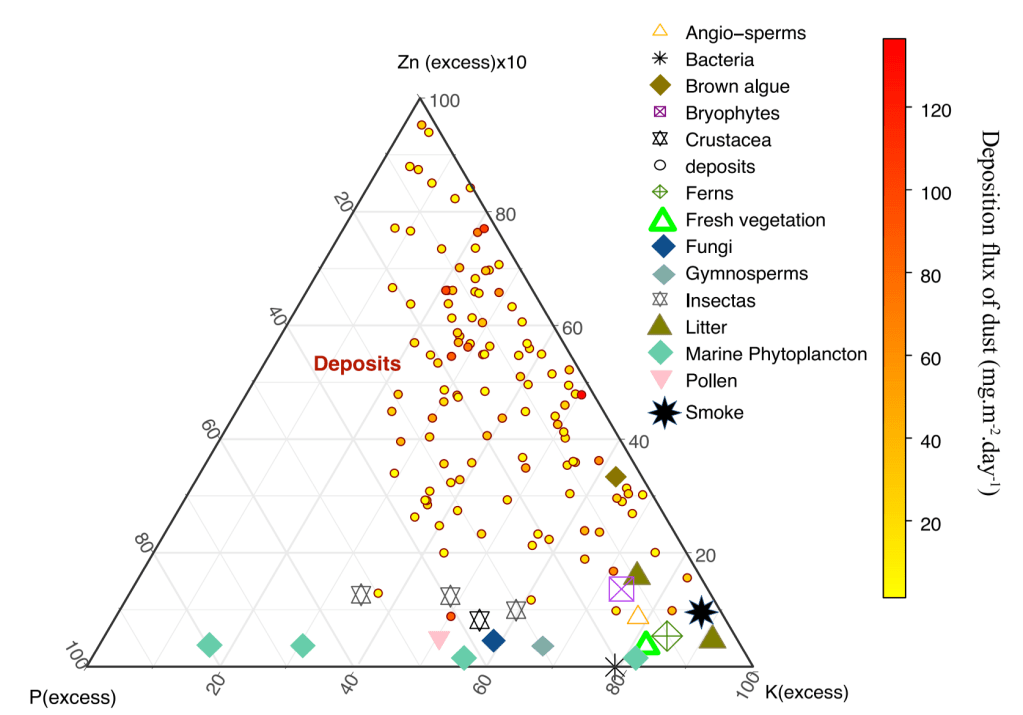
Consider the role of zinc, a trace metal carried by Saharan dust in high concentrations. Once deposited in the Caribbean Sea, zinc enriches the marine surface micro-layers, affecting everything from phytoplankton to larger marine organisms. Research indicates that the enrichment factor of zinc in these layers can reach up to 9,200, demonstrating the substantial influence of Saharan dust on the marine environment. This nutrient boost supports marine life, promoting the growth of phytoplankton and enhancing the overall productivity of the ocean. However, the benefits of this nutrient enrichment must be balanced against potential negative impacts. Excessive concentrations of nutrients can lead to harmful algal blooms, which can deplete oxygen levels in the water and disrupt marine ecosystems. Also, when there is an excessive amount of phytoplankton or other specific organisms, they will outcompete other marine life, further disrupting food webs.
The dust additionally contains pollutants, affecting coral reefs, which are sensitive to changes in water quality. While the nutrients from Saharan dust can support coral growth, excessive nutrient levels can contribute to coral bleaching and other stress responses. Pollutants, including various pathogens, also harm the coral reefs.
Health and Climate Connections
Beyond its ecological effects, Saharan dust also has significant implications for human health. As the dust travels across the Atlantic, it can reach populated areas, affecting air quality and public health. In regions like the Caribbean and the southern U.S., the fine particles in the dust—particularly those classified as PM2.5 and PM10—can penetrate deep into the lungs, exacerbating respiratory issues and triggering conditions such as asthma. The health risks associated with Saharan dust are especially pronounced for vulnerable populations, including children, the elderly, and those with pre-existing respiratory conditions (NASA, 2021).
Despite these health challenges, Saharan dust helps suppress hurricane formation in the Atlantic by creating a layer of dry, stable air that inhibits the development of storms. This protective effect can help safeguard vulnerable coastal regions from the devastation that hurricanes can bring. However, the spread of the dust, which is a natural phenomenon, is being intensified by climate and other anthropogenic actions. By influencing atmospheric conditions, Saharan dust contributes to a complex interplay between environmental and climatic factors.
Scientific and Technological Efforts: Monitoring and Solutions
To manage and mitigate the impacts of Saharan dust, scientists and researchers have developed various monitoring and forecasting tools. NASA, for instance, employs satellite technology to track dust plumes as they travel across the Atlantic. These satellite observations provide valuable data for forecasting dust events and assessing their potential impacts on air quality and public health. The integration of satellite data with ground-based monitoring systems allows for more accurate predictions and timely warnings, helping communities prepare for and respond to dust events.
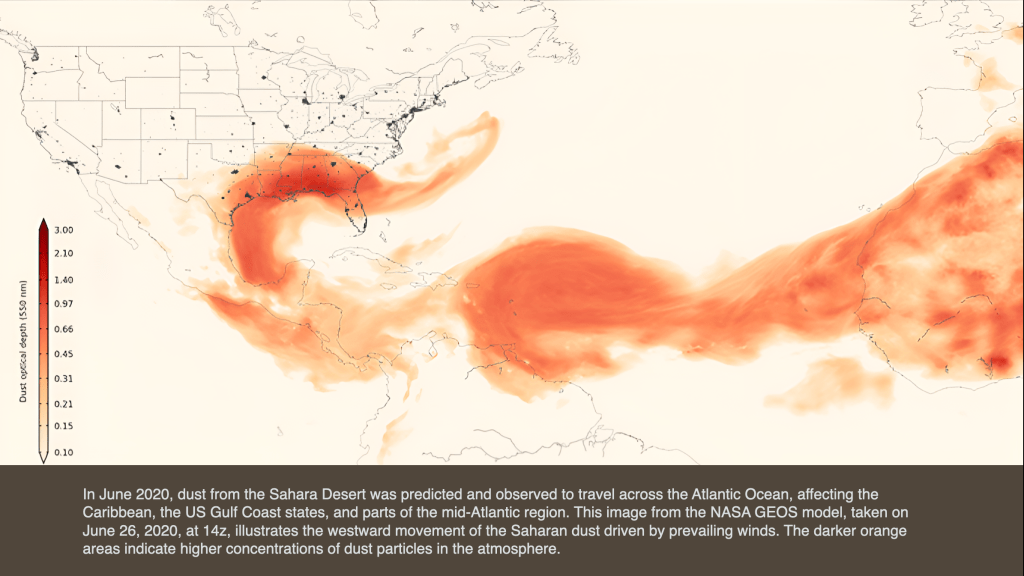
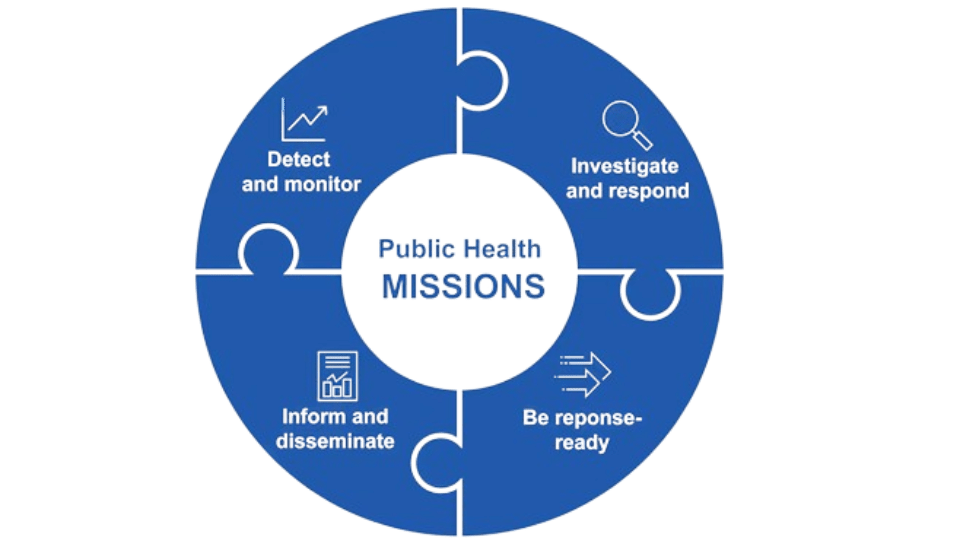
In addition to satellite monitoring, researchers are exploring innovative solutions to address the health and environmental challenges associated with Saharan dust. For example, public health initiatives aim to raise awareness about the risks of dust exposure and promote measures to protect vulnerable populations. These measures include advising individuals with respiratory conditions to limit outdoor activities during high dust events and implementing air quality monitoring systems in affected areas.
A Call for Action — Why Does This Matter?
Understanding the journey and impact of Saharan dust is more than just a scientific curiosity; it’s a stark reminder of how interconnected our world is. The Saharan dust that originates in the vast deserts of North Africa travels over 5,000 miles across the Atlantic Ocean before reaching even parts of the southeastern United States. States like Texas and Florida are not immune to the effects of this transcontinental dust journey. In these regions, the dust significantly impacts air quality, visibility, and public health.
To reiterate, in Texas and Florida, the presence of Saharan dust can exacerbate respiratory conditions and trigger asthma attacks, particularly among children and the elderly. Moreover, the dust’s influence extends beyond immediate health effects. It impacts agriculture by affecting crop health and soil quality, and its presence leads to reduced visibility which affects the aesthetic appeal of landscapes, impacting tourism and local economies.
Tips for What You Can Do:
- Stay Informed:
- Keep an eye on air quality alerts and weather forecasts, especially during periods when Saharan dust is expected to reach your area.
- Protect Your Health:
- If you have respiratory conditions such as asthma or allergies, limit outdoor activities during high dust events.
- Educate and Advocate:
- Spread awareness about the effects of Saharan dust on health and the environment. Advocate for better air quality monitoring and public health measures in your community.
- Support Environmental Initiatives:
- Engage with and support organizations that work on climate and environmental issues. These groups often have resources and programs aimed at mitigating the impacts of dust and improving public health.
Reflecting on the Invisible Threads
Standing on that beach in Barbados, it’s easy to marvel at the beauty of the natural world. But beneath the surface, there are countless invisible threads that weave together to create the environment we enjoy today. Saharan dust is one of those threads—a seemingly insignificant part of the natural world that plays a vital role in shaping ecosystems, climates, and even our health.
So the next time you find yourself on a sun-soaked beach or gazing at a clear blue sky, take a moment to consider the hidden stories that have made that moment possible. The story of Saharan dust is just one of many, but it’s a powerful reminder that our world is more interconnected—and more fragile—than we often realize.


Leave a comment