I’m sure you’ve all heard of the worries surrounding Generation Alpha. This youngest generation is growing up in a world where social media, technology, and consumer culture are shaping their lives in ways we’ve never seen before. One of the most alarming trends is the increasing presence of these young kids in places like Sephora, exploring the world of beauty products with the encouragement or approval of their parents.
It’s now common to see children as young as eight or nine roaming the aisles of Sephora, their baskets filled with skincare and makeup products. They’re not just playing around with a bit of lip gloss or nail polish; they’re diving headfirst into the adult world of beauty, influenced by beauty gurus and social media influencers who make these products seem essential.
Many parents might see this as a harmless form of self-expression or a fun hobby, but the reality is far more concerning. The normalization of beauty routines for such young children can have significant, long-lasting effects. Let’s take a closer look at some of the most popular products among these young users—products that contain ingredients like retinol.
Retinol is a powerful ingredient often found in anti-aging products. It’s known for its ability to reduce wrinkles and improve skin texture, but it’s also incredibly potent and can be harsh on the skin. For young, developing skin, the use of retinol can lead to more significant skin issues down the line.
The Impacts of Retinol on Young Skin
Retinol accelerates cell turnover, which can be too intense for young skin that is still developing its natural defenses. Overuse can result in long-term skin sensitivity and a heightened risk of damage from environmental factors like the sun. Imagine the irony of using a product meant to prevent aging while potentially causing premature skin issues that could last a lifetime.
For a child, whose skin is more delicate and still developing, these effects can be even more pronounced. The use of retinol in children can lead to chronic dryness and irritation, and in severe cases, it might cause conditions like eczema or dermatitis. Moreover, young skin exposed to such potent ingredients may lose its natural resilience over time, making it more susceptible to damage from environmental factors.
But the physical impacts are just the tip of the iceberg. The psychological implications of using such products at a young age are profound. When children start using products designed to alter their appearance, they receive a clear message: their natural looks are not good enough. This can lead to a lifetime of self-esteem issues and a constant pursuit of unattainable beauty ideals.
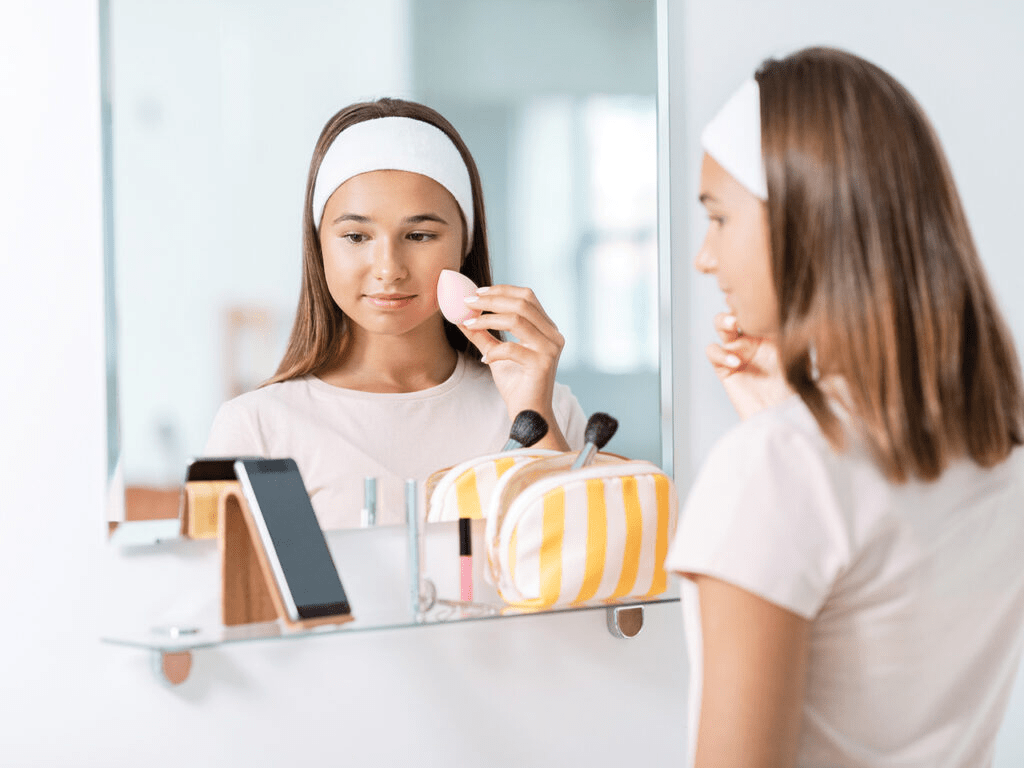
The Broader Implications of Early Beauty Standards
These unrealistic beauty standards do more than harm individuals; they affect entire peer groups and communities. When one child starts using makeup and skincare products, others feel pressured to follow suit to fit in, perpetuating a cycle of insecurity and comparison. This dynamic is intensified by social media, where children are bombarded with images of seemingly perfect faces and bodies, often enhanced by makeup, filters, and sometimes even cosmetic procedures.
The pressure to conform to these beauty standards can lead to serious mental health issues. Studies have shown that early exposure to beauty products and routines is linked to increased rates of anxiety and depression among young people. When children tie their self-worth to their appearance, they are more likely to experience intense dissatisfaction and self-criticism, which can have lasting impacts on their mental health and overall well-being.
The Role of the Beauty Industry
The beauty industry, with its massive marketing budgets and influence, plays a significant role in perpetuating these standards. By targeting younger and younger demographics, they ensure a new generation of loyal consumers, often at the cost of these young individuals’ well-being. This strategy is not just about selling products; it’s about creating a lifelong dependency on beauty routines and the belief that one’s natural appearance is never enough.
Marketing campaigns often exploit the insecurities of young people, using slogans and images that suggest beauty is synonymous with happiness, success, and social acceptance. These messages can be incredibly damaging, especially for children who are still developing their identities and self-esteem. The constant barrage of idealized beauty standards can make it nearly impossible for them to feel confident and comfortable in their own skin.
The Cultural and Social Ripple Effects

The impact of these beauty standards extends beyond individual and peer group dynamics. They contribute to a broader cultural shift where appearance becomes a primary measure of value and worth. This shift has far-reaching implications, influencing how young people perceive themselves and others and shaping societal norms and expectations.
Moreover, the focus on beauty can detract from other important aspects of identity and self-worth, such as intelligence, kindness, creativity, and resilience. When children are taught to prioritize their appearance above all else, they may neglect to develop other valuable skills and qualities that contribute to their overall well-being and success.
Moving Forward
Addressing this issue requires a multi-faceted approach.
Of course, addressing the root problem would involve eliminating social media, but that’s an impossible feat in an age where Generation Alpha, Generation Z, and Millennials all thrive on social media, and it has become the norm.
First and foremost, parents need to be aware of the potential risks associated with early and excessive use of beauty products.
Of utmost importance is holding the beauty industry accountable for its marketing practices and advocating for stricter regulations with younger adolescents. By raising awareness and pushing for change, we can help create a healthier and more balanced environment for the next generation.
This generation deserves the chance to grow up without the burden of unrealistic beauty standards. By taking action now, we can ensure that the future is defined by confidence and genuine well-being, rather than the pursuit of an unattainable ideal.
 Quill & Conscience
Leave a comment