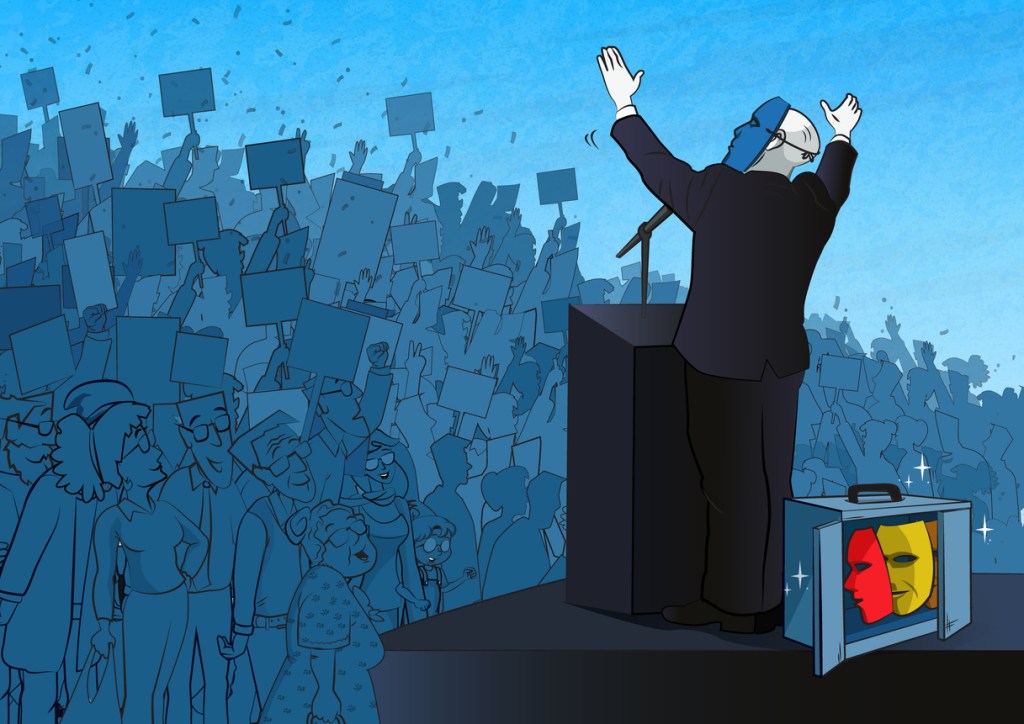
The Rising Tide of Misinformation
As the 2024 election fades into history, America finds itself at a turning point, reckoning with the enduring challenges of its political landscape. Primarily among them is the pervasiveness of misinformation and its disproportionate impact on youth voters. For a generation increasingly defined by digital connectivity, the rise of fake news, deepfakes, and algorithm-driven propaganda is not merely a theoretical concern—it is reshaping how young people perceive democracy, justice, and their own agency.
While misinformation has always been a part of politics, the current moment is unprecedented in its scale and sophistication. The tools of deception, from AI-generated content to highly targeted disinformation campaigns, are more potent than ever. This issue isn’t just about poor decision-making; it’s about undermining the democratic process itself. Youth, as first-time or impressionable voters, are often caught in the crossfire, making their plight a critical concern for the future of civic participation.
How Social Media Algorithms Exploit Vulnerability
Social media is the dominant channel through which youth engage with politics. Platforms like TikTok, Instagram, and YouTube curate content not for its accuracy, but for its potential to captivate and engage. Studies indicate that algorithms are designed to amplify emotionally charged content—often at the expense of nuance and truth.
For example, during the early stages of the 2024 campaign, viral videos falsely claiming voter fraud in specific battleground states reached millions within hours. These posts often used sensational headlines or emotional imagery to provoke outrage, creating a cycle of misinformation that was difficult to break. As young users engage with such content, algorithms further reinforce these narratives, exposing them to similar posts and drowning out credible information.
What makes this particularly insidious is how seamlessly falsehoods blend with entertainment. On TikTok, political misinformation often takes the form of memes or satirical skits. While older audiences might view such content critically, younger users—especially teenagers—may struggle to discern satire from genuine reporting.
Adding to this challenge is the lack of context or accountability content-wise. Social media platforms claim to moderate misinformation, but these efforts are often inconsistent. A report by the Brennan Center revealed that harmful content, including AI-generated deepfakes, continues to proliferate despite policy interventions. For example, manipulated videos depicting candidates making inflammatory statements have gone viral, leaving a lasting impression on viewers even after being debunked.
Why Misinformation Targets Youth
Youth represent both the promise and peril of the electorate.

On one hand, they are the most socially and politically active generation, with record-high voter turnout in recent years. On the other hand, they are particularly susceptible to disinformation campaigns due to their developmental stage and media consumption habits.
Psychological research underscores this vulnerability. Adolescents and young adults rely heavily on social validation and peer consensus when forming opinions. This makes them prime targets for campaigns that exploit tribalism or create an illusion of widespread agreement on contentious issues. For instance, during the 2020 election, Russian bots on Twitter spread misinformation about mail-in voting safety. Similar tactics have now been used in the 2024 cycle, this time with AI-enhanced precision, targeting specific demographics with tailored narratives.
Another critical factor is the educational gap. Despite being digital natives, many young people lack formal training in media literacy. The ability to evaluate sources, identify bias, and fact-check claims is not intuitive, yet schools often fail to address these skills comprehensively. A study by the News Literacy Project found that fewer than one in four high school students could differentiate between a credible news source and a biased one.
The Consequences for Democracy
The implications of unchecked misinformation among youth are profound. Democracy depends on informed decision-making, yet when large swaths of young voters are influenced by falsehoods, the entire system is at risk. The erosion of trust in institutions is particularly concerning.
Consider the recent surge in conspiracy theories about election fraud. While such claims have been debunked repeatedly, their impact lingers. According to the Brookings Institution, many young voters now approach elections with skepticism, questioning the validity of results even in the absence of evidence. This cynicism generates apathy, reducing voter turnout and civic engagement.
Worse still is the normalization of propaganda tactics. As young people grow inured to seeing misinformation as a regular feature of political discourse, they may become desensitized to its dangers. In the long term, this could lead to a more polarized and less critical electorate, unable to distinguish between genuine debate and manipulation.
Solutions: Media Literacy as a Vaccine
If misinformation is a disease, then media literacy is the cure—or at least a powerful vaccine. Educators, policymakers, and tech companies all have a role to play in equipping young people with the tools to navigate today’s complex information landscape.
The concept of “prebunking” has gained traction as an effective strategy. This involves exposing individuals to the tactics of disinformation before they encounter it in the wild. For example, online games developed by the Department of Homeland Security teach users to recognize manipulation tactics, such as the use of scapegoating or false dichotomies. These initiatives have shown measurable success in improving media discernment and reducing susceptibility to false claims.
Social media platforms also bear responsibility. While some have implemented fact-checking features, these efforts must be scaled up significantly. Transparency in algorithmic decision-making is another critical step.

Users should have the ability to understand why certain content is shown to them and to opt out of algorithm-driven feeds entirely.
On a broader level, fostering a culture of critical thinking is essential. This means not only teaching young people to question what they see online but also encouraging them to seek out diverse perspectives and engage in meaningful dialogue. Programs like the News Literacy Project are already making strides in this area, offering workshops and resources tailored to students and educators alike.
Fighting for the Soul of Democracy
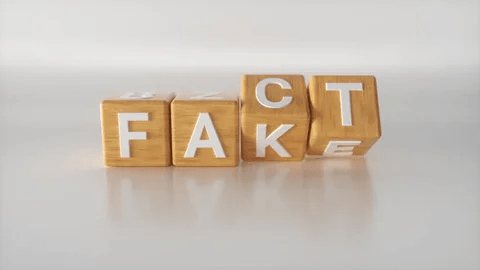
The battle against misinformation is more than a fight for truth; it is a fight for the soul of democracy. Youth, as the inheritors of our political system, hold immense potential to shape the future. Yet, without the tools to navigate the digital swamp, they risk being manipulated by forces that prioritize power over progress.
This is a pivotal moment. As citizens continue to assess the process leading up to the 2024 election in hindsight, it is clear that the decisions we make now—to invest in education, hold platforms accountable, and foster a culture of critical inquiry—will determine the health of our democracy for generations to come.
Young voters are not only participants in this struggle; they are its most crucial defenders. Empowering them with the knowledge and skills to resist misinformation is both a practical necessity and a moral imperative. The future of democracy depends on it.
 Quill & Conscience
Leave a comment