
In a time where smartphones dominate our attention, one might assume reading has been reduced to scrolling. Yet, against all odds, books are having a viral moment—thanks to TikTok. Specifically, #BookTok, a corner of the app dedicated to sharing emotional, humorous, and heartfelt content about books, has turned traditional reading into a modern sensation. The movement has brought new life to bookshelves, boosted publishing sales, and, most importantly, made reading cool again. BookTok is significantly impacting how we approach reading and its cultural relevance today.
The BookTok Phenomenon
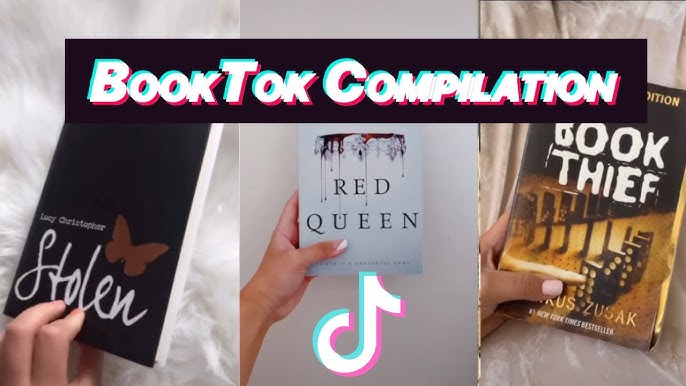
BookTok, a vibrant and growing subset of TikTok, has revolutionized the way readers discover and engage with literature. What began as casual clips of book recommendations has evolved into a global movement, with millions of users sharing their love for reading through short videos. Creators use humor, aesthetic visuals, and heartfelt storytelling to turn individual recommendations into community-wide trends.
Themes such as “books with unforgettable endings” or “fantasy worlds you won’t want to leave” bring readers together, while hashtags like #BookTok and #BookRecommendations have collectively amassed billions of views. The platform thrives on its ability to turn books into cultural touchpoints, sparking discussions that resonate with readers of all ages.
This phenomenon has reshaped the publishing industry, catapulting both new and older titles to bestseller lists. According to The New York Times, Colleen Hoover’s It Ends with Us and The Song of Achilles by Madeline Miller have seen explosive success, due to the emotional, candid reactions shared by BookTok creators. By making reading an accessible and interactive experience, BookTok has transformed literature into a form of entertainment that fits seamlessly into the digital age.
TikTok Examples
One of BookTok’s greatest strengths lies in its ability to make reading feel accessible and emotional. Videos are often centered around powerful recommendations, heartfelt reactions, or engaging trends like “If you liked [X], you’ll love [Y].”
Take Madeline Miller’s The Song of Achilles, for example. TikTok creators posted tearful reactions to its bittersweet ending, often pairing their videos with melancholic music. These posts captured the raw emotion of the book and resonated deeply with viewers, catapulting it to bestseller lists years after its publication. Similarly, We Were Liars by E. Lockhart saw a resurgence when creators made “no-spoiler” videos urging readers to experience its shocking twist firsthand.
These viral clips often blend personal anecdotes with compelling visuals. Videos showcasing color-coded annotations, aesthetic bookshelves, or “book hauls,” where users unbox and display their recent purchases, add to the allure.

For many, BookTok offers both recommendations and also a lifestyle that celebrates the beauty and community of reading.
The Downside of BookTok
While BookTok has revolutionized the way people engage with books, it comes with its share of challenges. One significant issue is the platform’s tendency to prioritize aesthetics over substance. Books with eye-catching covers, dramatic premises, or easily digestible themes often dominate, sidelining quieter, more nuanced works. This creates a bias toward visually appealing content, where viral potential can overshadow literary depth or diversity in storytelling.
Another challenge is the repetitiveness of trends. When a book gains popularity, it often floods the platform, with countless creators producing similar content around the same title. While this can amplify a book’s success, it can also lead to a sense of monotony and fatigue for viewers.
This oversaturation makes it harder for new or lesser-known titles to gain visibility, perpetuating a cycle where only a select few books get the spotlight.
Additionally, BookTok’s reliance on trends can feel restrictive for readers. Many users are drawn to books that are trending rather than those that align with their unique tastes, creating a phenomenon of “fear of missing out” (FOMO). This trend-driven culture can discourage exploration of less mainstream genres or authors, narrowing the scope of discovery.
These downsides don’t negate BookTok’s positive impact, but they do highlight the importance of diversifying content and encouraging readers to look beyond the trends for a more well-rounded literary experience.
The Positive Impact of BookTok
Despite its drawbacks, BookTok has had a profoundly beneficial impact on the literary world, reshaping how people discover, engage with, and share books. One of its most remarkable contributions is its ability to create a sense of community among readers. In a time when digital connections often feel fleeting, BookTok fosters meaningful conversations and shared enthusiasm for stories, bridging gaps between individuals with diverse backgrounds and interests.
The platform has also reinvigorated the publishing industry, particularly for young adult and fantasy genres. Many books that might have flown under the radar have found massive audiences thanks to viral videos and creator enthusiasm. This resurgence of interest in reading has also led to a rise in local library visits, book club formations, and even indie bookstore sales, proving that BookTok extends its influence beyond the virtual world.
BookTok has also amplified diverse voices and stories. Readers are increasingly discovering books by marginalized authors, with creators using their platforms to spotlight literature that explores underrepresented perspectives and themes. This democratization of book recommendations allows previously overlooked works to gain well-deserved attention.
On a personal level, BookTok has encouraged many to rediscover their love of reading. Its bite-sized format makes literature feel approachable and accessible, especially for those who may have been intimidated by larger, more traditional literary communities. By presenting books in a visually engaging and emotionally resonant way, BookTok inspires curiosity and reignites a passion for storytelling in readers of all ages.
A New Chapter in Literature
BookTok has revolutionized the way people engage with literature, blending the timeless appeal of storytelling with the immediacy of social media. By turning reading into a visual and communal experience, it has brought new energy to the literary world and drawn in a younger, more diverse audience. People are discovering its influence, whether it’s through trending books or the vibrant discussions it inspires.
Though the platform isn’t without its criticisms—some argue it prioritizes aesthetics over substance—it remains a powerful force for making literature accessible and exciting. As BookTok continues to grow, it’s clear that the love of storytelling is here to stay, proving that even in a digital age, books still have the power to connect and inspire us.
The BookTok Reading List
According to BookTok, here are the most popular titles to dive into:
- Fourth Wing by Rebecca Yarros
- A Court of Thorns and Roses by Sarah J. Maas
- The Seven Husbands of Evelyn Hugo by Taylor Jenkins Reid
- They Both Die at the End by Adam Silvera
- Verity by Colleen Hoover
- The Atlas Six by Olivie Blake
- Ice Planet Barbarians by Ruby Dixon
- The Invisible Life of Addie LaRue by V.E. Schwab
- The Song of Achilles by Madeline Miller
- Six of Crows by Leigh Bardugo
- The Midnight Library by Matt Haig
- Circe by Madeline Miller
- The House in the Cerulean Sea by TJ Klune
- The Priory of the Orange Tree by Samantha Shannon
- Babel by R.F. Kuang
 Quill & Conscience
Leave a comment