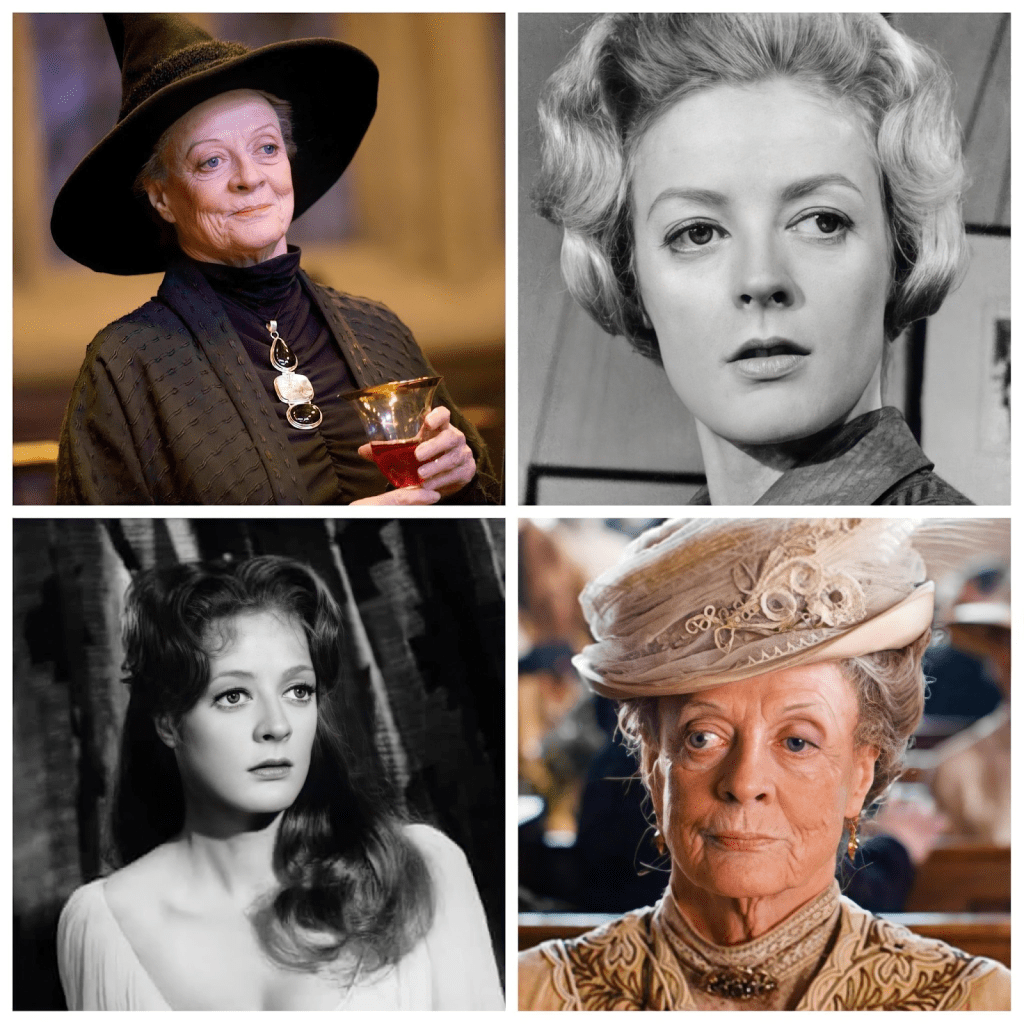
Few actors carry the gravitas and versatility of Dame Maggie Smith, a British icon whose career has spanned stage, television, and film for over seven decades. From her early days in British theater to her widely beloved roles in Downton Abbey and Harry Potter, Smith demonstrated an unmatched dedication to the craft of acting. Her performances, celebrated for their emotional depth and nuance, have left an indelible mark on British cinema and global pop culture alike. Yet, it was her ability to combine grace with grit—alongside an unparalleled comedic and dramatic range—that transformed Smith into more than just an actress; she became a cultural institution, known for redefining traditional female roles across generations and genres.
The recent passing of Dame Maggie Smith marks not only the end of a remarkable career but also the loss of a figure who shattered norms in an industry that often relegated women to the sidelines. She entered the world of theater in an era where ambition was rarely encouraged among young women, let alone a career in the performing arts. Her work, driven by a fierce commitment to authenticity and resilience, defied convention, inspiring audiences and actors alike. Her legacy endures in the strength and depth she brought to her roles, reminding us of the transformative power of art and her profound impact on the history of British acting.
Early Years: A Dream Begun in the 1950s
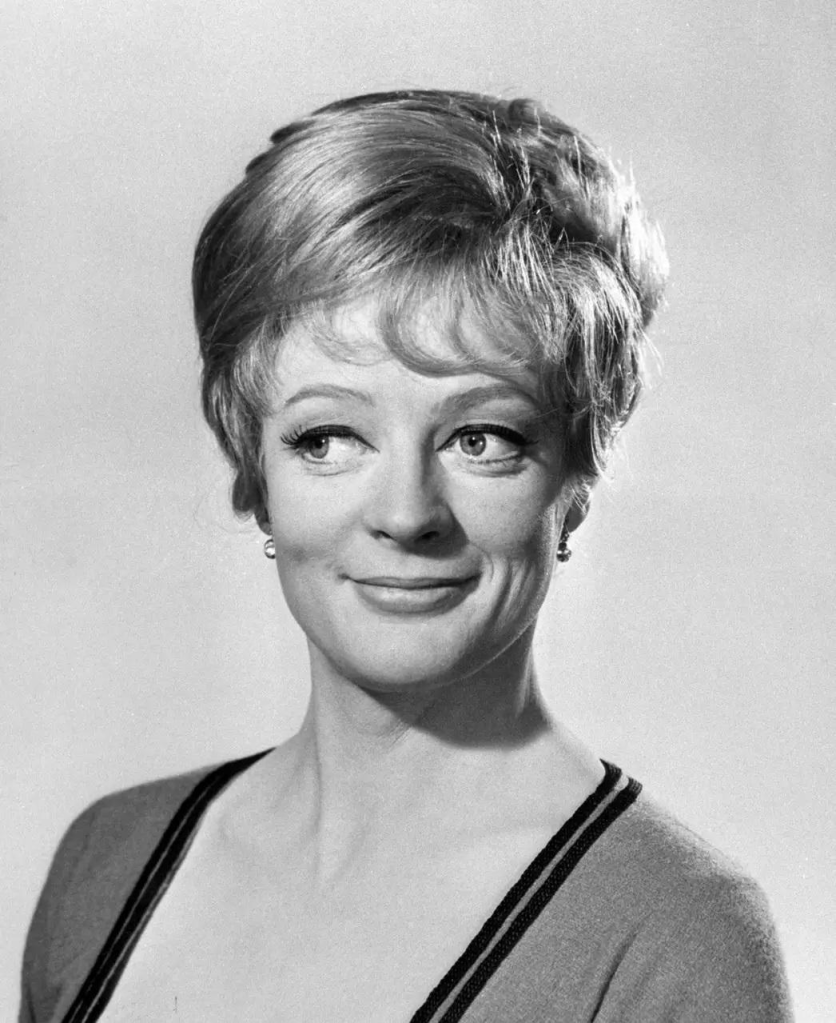
In the 1950s, career ambitions were often shaped by societal constraints, especially for women who were largely encouraged to fulfill traditional roles. The post-war era emphasized domestic life, and many young women faced expectations to prioritize marriage and family over personal aspirations.
Margaret Smith, however, defied these expectations, setting out to pursue a career on the stage—a choice that would define her life and pave the way for women in theater. At a time when the arts and education were male-dominated, her enrollment at the prestigious Oxford Playhouse was itself a statement against these norms.
Smith’s education at the Oxford Playhouse, known for its rigorous repertory theater, was pivotal in shaping her craft. Actors at Oxford Playhouse were required to play a variety of roles each week, a challenge that enabled Smith to hone her versatility and resilience early on. This environment was crucial in fostering her ability to switch effortlessly between roles, a skill that later became her hallmark on stage and screen.
Her early performances at the Oxford Repertory Theatre were often in comedic roles, which showcased her ability to blend wit with an underlying intensity, setting her apart from her peers. Her breakthrough performance as Desdemona in Othello, opposite Laurence Olivier, solidified her reputation in British theater. While other young women in her social circle may have been expected to settle down, Smith’s dedication and talent demanded attention and respect, even from the critics and audiences who were not accustomed to seeing women command the stage with such authority.
The path Smith took in her early career was not typical of the era. Few women at the time had the opportunity—and the support—to pursue theater professionally, especially in repertory theater. Smith’s commitment to her work was revolutionary in an era that still viewed female ambition with skepticism. Her choices inspired a generation of aspiring actresses, highlighting that a career in the arts was not only viable but could also be a means of social influence and personal fulfillment.
Breakthrough Moments and Cultural Impact
Maggie Smith’s career evolved rapidly as she garnered attention for her unique blend of comedic timing and dramatic depth. Her transition from British theater to Hollywood and later international stardom reflected her remarkable adaptability and magnetic screen presence. She first captivated theater audiences with her Shakespearean roles, and by the time she appeared in the 1969 film The Prime of Miss Jean Brodie, she had established herself as a powerhouse in British cinema, earning an Academy Award for her performance.
Her move to Hollywood marked a significant shift in her career, allowing her to reach a broader audience. Films like California Suite (1978) showcased her comedic abilities alongside her dramatic strengths, leading to a second Academy Award. Smith’s charm and depth became universally recognized, especially after her roles in Sister Act and, later, the Harry Potter series as Professor McGonagall, which endeared her to a new generation. Throughout her career, she seamlessly balanced theater and film, showing that true artistry transcends medium and genre.
In 1990, Smith was named a Dame Commander of the Order of the British Empire by Queen Elizabeth II, cementing her place as a national treasure. This honor not only acknowledged her contributions to the arts but also signaled her influence on British cultural identity. For Smith, this recognition was deeply personal, symbolizing her years of dedication to a craft that required intense discipline and sacrifice. Her damehood amplified her influence as both an artist and a cultural figure, inspiring younger generations to pursue their art with the same conviction.
Maggie Smith: Beyond the Spotlight

While audiences worldwide know Maggie Smith as Professor McGonagall or the sharp-tongued Dowager Countess of Grantham, there are many facets to her personality and career that remain lesser-known. Her love for theater often outweighed her enthusiasm for Hollywood, and she famously shunned the glamor and public attention that came with stardom. Instead, she cherished the rehearsal process and the camaraderie of the stage, often refusing to watch her own film performances because, in her words, “it’s not about me watching me.”
Friends and colleagues frequently remarked on her unassuming nature and dry wit. Known for balancing majesty with an approachable warmth, she became beloved for her charm and honesty, whether on screen or in interviews. Her humility extended to her work, as she believed her craft spoke louder than any amount of personal publicity. This self-imposed distance from the limelight only deepened the allure surrounding her, allowing fans to focus on her talent rather than the spectacle of celebrity life.
Smith’s resilience also defined her off-stage persona. In her later years, she continued acting despite health struggles, including her well-known battle with Graves’ disease. This commitment only reflected her dedication to the craft, portraying an almost stoic professionalism that made her even more respected in the industry. Her reluctance to share personal details, including her health challenges, was emblematic of her ethos: one’s work should speak for itself. It’s this depth of character, alongside her dry wit and grace, that secured her place as a beloved figure both on and off the stage.
An Inimitable Legacy: Artistry with Impact
Maggie Smith’s legacy is one of empowerment and transformation in the arts. Her roles, often layered with intelligence and resilience, continue to inspire actors who seek to portray complex, multi-dimensional characters. She was among the few actresses of her time to insist on nuanced female roles, rejecting one-dimensional stereotypes in favor of characters with depth and sophistication. Her influence on younger actresses is profound, as she demonstrated that one could embody strength without sacrificing grace, humor, or empathy.
Smith’s work expanded the boundaries of what women in acting could achieve, showing that age and experience only add to an actor’s ability to connect with audiences. Her resilience, seen through her dedication to the craft despite health challenges later in life, solidified her status as a role model for countless aspiring artists. To this day, her performances remind us of the power of narrative and the importance of staying true to one’s art.
A Life Larger Than the Stage

Dame Maggie Smith’s passing is not merely the loss of a remarkable talent but a poignant reminder of an era-defining legacy. Her work spanned over seventy years, from Shakespearean stages to modern-day television, consistently redefining what it means to be an actor in an ever-evolving industry. In each role, she offered a glimpse into the soul of her characters, never shying away from emotional complexity, and leaving audiences around the world profoundly moved by her authenticity.
As the curtain falls on Dame Maggie Smith’s life, we are left not just with her iconic roles but with an indelible memory of a woman who used her art to challenge stereotypes and redefine the possibilities for women in the industry. Her performances will continue to inspire, reminding us of the profound impact that resilience, grace, and an unyielding dedication to one’s craft can have. She may no longer grace the stage, but her spirit endures, woven into the structure of British arts, forever symbolizing the power of resilience, artistry, and quiet strength that reaches beyond the spotlight.
 Quill & Conscience
Leave a comment