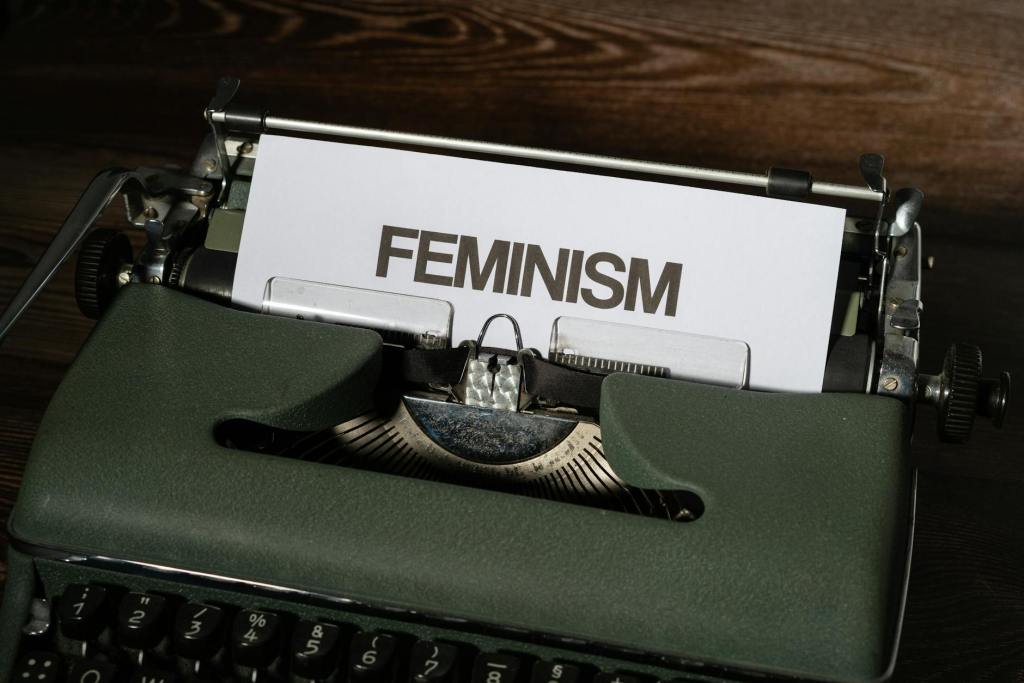
In the shimmering world of social media, where trends rise and fall, one movement has begun to carve out a significant space in the lives of young women: the “#TradWife” movement. Short for “traditional wife,” this lifestyle choice favors the return to traditional gender roles, where women find fulfillment in homemaking, child-rearing, and supporting their husbands. On the surface, it might seem like a harmless, even quaint, return to the past. But beneath its ageless veneer lies a complex mix of nostalgia, rebellion, and deep-seated societal tensions that speak to broader issues affecting women today.
The Allure of the Tradwife Movement
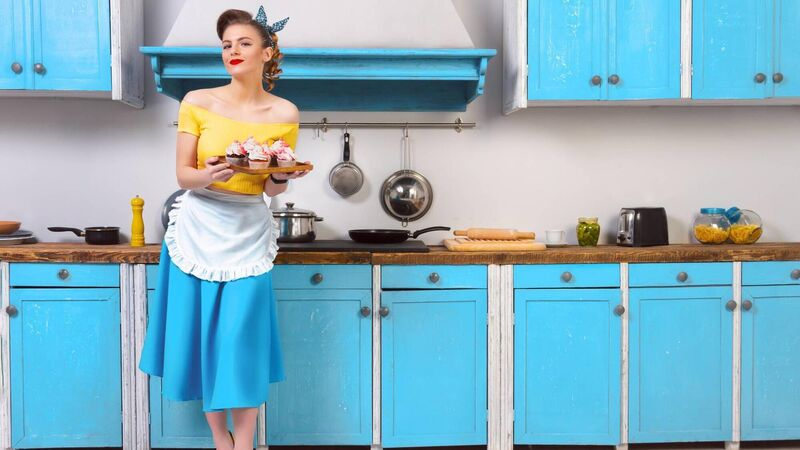
The tradwife movement isn’t merely a whimsical throwback to the 1950s. It’s a deliberate choice by many young women to reject the pressures of modern feminism and embrace a lifestyle that values traditional femininity. These women often showcase their lives on platforms like Instagram and TikTok, often wearing retro dresses, baking homemade bread, and extolling the virtues of submission to their husbands. For many, it’s not just about aesthetics; it’s about reclaiming what they believe to be a more authentic, fulfilling way of life.
But why now? Why, in an era where women have more opportunities and freedoms than ever before, is there a resurgence of traditionalist values? The answer lies in the overwhelming pressures that modern women face. The narrative that women can and should “have it all”—a successful career, a happy family, and personal fulfillment—has, for some, become a source of stress and dissatisfaction. Juggling these roles in a balancing act often leads to burnout, and the tradwife movement offers an alluring alternative: a simpler, more defined path to happiness.
In a world where the lines between gender roles have blurred, the clear-cut boundaries of the tradwife lifestyle offer a sense of security. There’s comfort in knowing your place, in having a role that’s respected and valued within a household. For these women, the tradwife lifestyle isn’t about oppression; it’s about empowerment—finding power in traditional roles that they believe modern feminism has unfairly devalued.
The Backlash Against Modern Feminism
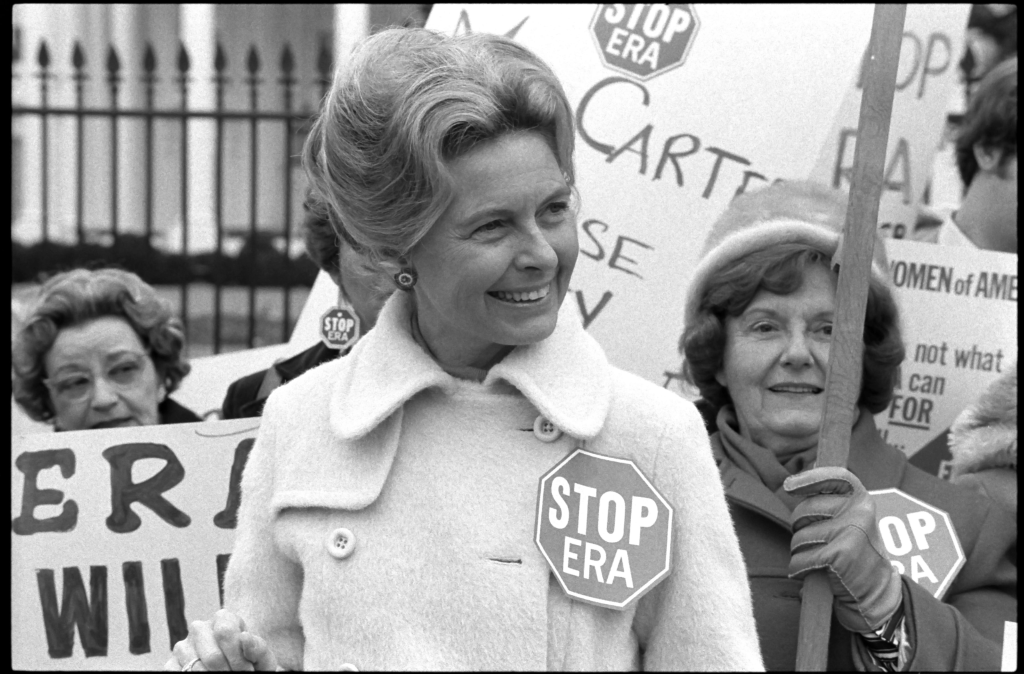
The tradwife movement is also a reaction to what some perceive as the excesses of modern feminism. The rise of the #MeToo movement, increased conversations about gender identity, and the push for women to break through glass ceilings in male-dominated fields have, for some, created an environment where traditional femininity feels under attack. The modern feminist narrative often emphasizes independence, ambition, and assertiveness—qualities that, while valuable, don’t resonate with every woman.
Estee Williams, a prominent figure in the tradwife community, clarified her stance to her TikTok followers by explaining, “So the man goes outside the house, works, provides for the family. The woman stays home, and she’s the homemaker. She takes care of the home and the children if there are any.” Williams was quick to defend her position against potential critics, noting that she did not believe women were inferior to men, but that they had an equally important but different role.
For many tradwives, feminism has strayed too far from its original goals of equality and choice. Instead, they argue, it has become a movement that pressures women to conform to a new set of standards—standards that don’t always align with their personal values or desires. In embracing the tradwife lifestyle, these women are, in a sense, reclaiming their right to define what feminism means to them. They argue that true feminism should include the right to choose traditional roles without judgment.
However, this argument is not without its critics. Anne Helen Petersen, a cultural commentator, acknowledged that one appeal of the tradwife life is that it clarifies household responsibilities and frees women from having to work a “second shift” at home after they’ve put in a full day’s work at the office. “In other words,” she remarked, “tradwives solve the infamous ‘chore gap’ by forgoing responsibility to earn income outside the home.” Yet, she also warned, “This lifestyle shouldn’t be romanticized as a simple fix for modern struggles—it overlooks the very real challenges that come with financial dependency and the risk of reinforcing outdated gender norms.”
Romanticizing the Past
The tradwife movement’s emphasis on traditional gender roles often comes with a romanticized view of the past—a time when, supposedly, families were happier, marriages were stronger, and society was more stable. But this idealized version of history overlooks the harsh realities many women faced during those times. The 1950s, often held up as the golden age of the traditional family, was also a time when women had limited rights, few career opportunities, and little say in their own lives.
The modern American woman, unlike her predecessors, faces an array of pressures that her elders never knew. Today’s 25-year-old woman, shaped by the digital age and the aftermath of significant events like 9/11, the Great Recession, and the COVID-19 pandemic, steps into adulthood already burdened with an average of $40,000 in debt. Housing costs have risen dramatically, and the wage gap persists, particularly for women who are or hope to become mothers. For many, the choice to embrace the tradwife lifestyle isn’t just about nostalgia—it’s about escaping an economic and social system that seems stacked against them.
But romanticizing the past, as the tradwife movement does, can create a dangerous dynamic. It promotes a narrow definition of womanhood, one that ties a woman’s worth to her ability to maintain a home and support her husband. This can create a dangerous dynamic where women feel pressured to conform to a specific role, even if it doesn’t align with their true desires or aspirations.
The Emergence of #FeminineNotFeminist
The tradwife movement has also given rise to the hashtag #femininenotfeminist, a social media trend that celebrates traditional femininity while rejecting what its proponents see as the harshness of modern feminism. This trend resonates with young women who feel disconnected from mainstream feminist ideals. For them, #femininenotfeminist is about embracing their natural qualities—nurturing, gentleness, and a focus on family—without the pressure to conform to feminist expectations.
But this trend also highlights a significant tension within the feminist movement itself. Feminism was initially about choice—about giving women the freedom to define their own lives. However, as feminism has evolved, it has also developed certain norms and expectations that not all women feel comfortable with. The rise of #femininenotfeminist suggests that there’s a growing number of women who feel that modern feminism doesn’t represent their interests or values.
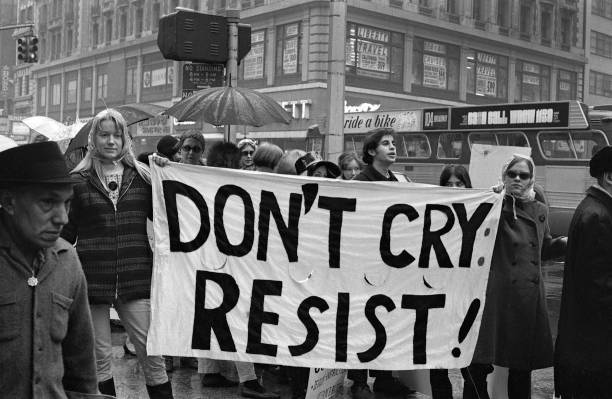
This tension raises important questions about the future of feminism. Can feminism truly be inclusive if it doesn’t make space for women who choose traditional roles? Or does the very act of embracing traditional roles undermine the feminist movement’s goals of equality and liberation? These are questions that feminists—and society as a whole—will need to grapple with as the tradwife movement continues to grow.
Feminism and the Right to Choose
Ultimately, the tradwife movement forces us to confront the complexities of feminism in the 21st century. At its core, feminism is about choice—the choice to live your life on your own terms, whether that means pursuing a high-powered career, staying at home to raise a family, or anything in between. The real issue arises when those choices are influenced by societal pressures, idealized narratives, or a desire to conform to certain roles.
The feminist movement has made significant strides in giving women the freedom to make their own choices. But as the tradwife movement shows, not all women feel that modern feminism represents their values or desires. Some women find empowerment in traditional roles, and their choices deserve to be respected, even if they don’t align with mainstream feminist ideals.
However, it’s also important to recognize the potential dangers of romanticizing the past and promoting a narrow view of womanhood. The tradwife movement may offer a sense of security and fulfillment, but it also risks reinforcing outdated gender norms that limit women’s potential and perpetuate unequal power dynamics.
In the end, the rise of the tradwife movement serves as a reminder that feminism isn’t a one-size-fits-all solution. It’s a complex, multifaceted struggle for women’s rights and equality that must account for the diverse experiences and desires of women. Whether a woman chooses to be a career-driven professional or a homemaker, the key is that it’s her choice, free from judgment and societal pressure.

Feminism is about fighting for that right to choose—not telling women what they should do, but ensuring that they have the freedom to define their own lives.
 Quill & Conscience
Leave a comment